What We Do
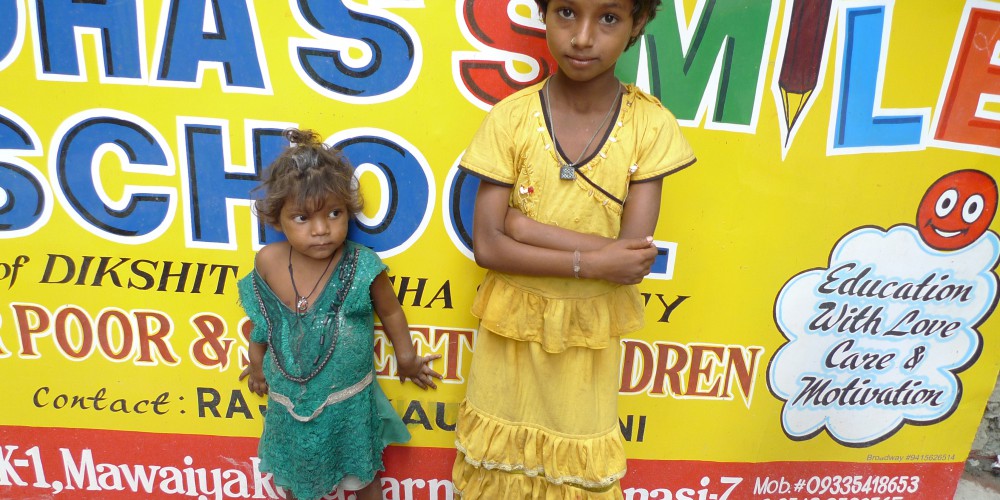
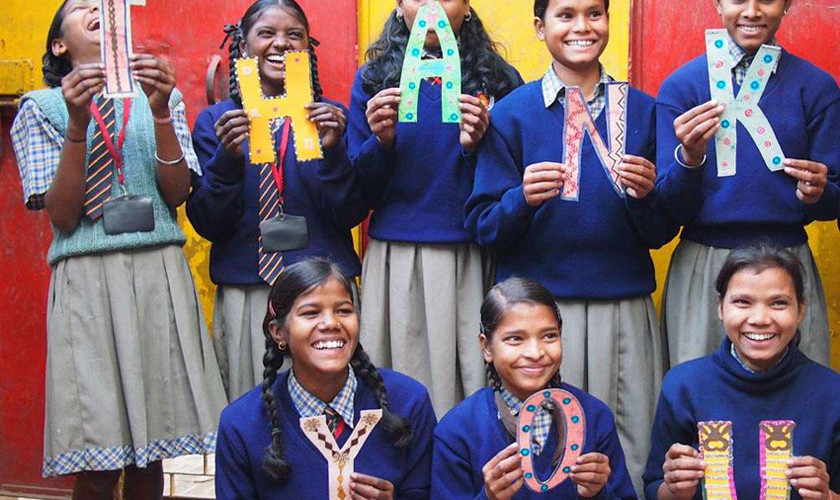
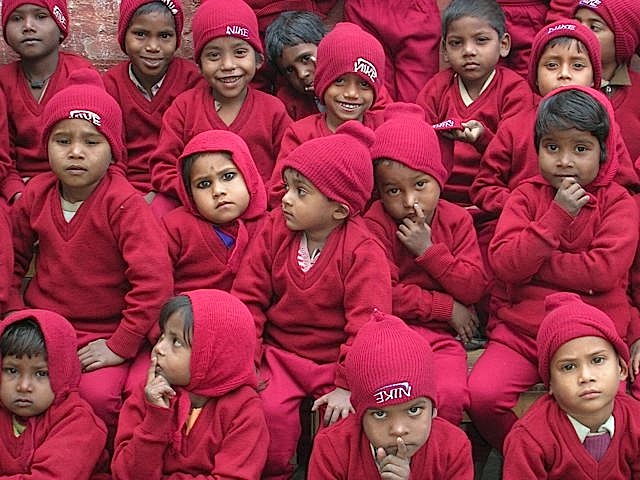
"We teach and nurture hope for some of the world's poorest and most disadvantaged children. We are a non-denominational, non-profit school located in Varanasi, India."
Latest News

Rosy’s Story
Rosy is nine-years old and has been a model student at Buddha’s Smile School since she was four. Her story like many other children of Varanasi’s über-poor is one of exploitation, neglect and abuse. Rosy lives at a beggar community in Varanasi’s Cantonment area with her fourth stepfather. Her mother died from kerosene burns. This more...

Sachin’s Story: his name was mad boy
His name was mad boy and he was teased and discarded. Rajan Kaur took him on as a challenge and slowly he is changing.

Sahil’s Story
Sahil, 10, loves coming to Buddha’s Smile School each morning. He feels lucky to be able to leave his family’s open-air ‘home’ under a Varanasi railroad bridge for the safe and cheerful. BSS school where he is treated like an important person. But perhaps best of all, Sahil can eat a warm delicious meal each more...
New Daycare Centre allows older sisters to continue education
We are pleased to announce Buddha’s Smile School’s new Daycare Centre opened in October. The Daycare Centre will enable young female elementary school students to attend classes on a regular basis rather than staying home to care for younger siblings. The Daycare Centre caters for young siblings up to the age of 3 years and cares more...

Congratulations to all our middle school students
Through your generosity Buddha’s Smile School (BSS) was able to support 80 middle school students this year — 40 girls and 40 boys — and we are pleased to announce all but two passed their end of year exams with good grades “Our middle school scholarships provide students with free transportation to school, payment of more...
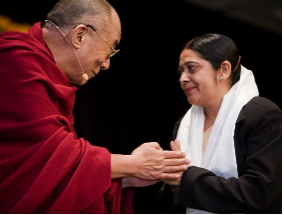
“Blessing of HH Dalai Lama and receiving award are still big encouragement”
Seven years ago, in April 2009, director and founder of BSS Rajan Kaur Saini received the Unsung Heroes of Compassion Award from Wisdom in Action. His Holiness Dalai Lama handed out the award to her in San Francisco. Receiving this award felt as a big blessing and a great honour to Rajan and it encouraged more...

Taking care of our students in winter time
During cold winter nights in Varanasi it is always a big challenge for our students to stay healthy. During the day the temperature is warm but as soon as the night comes, temperatures drop down to 7-10 degrees Celsius ( 44-50 degrees Fahrenheit) at night. Most of our students and their families sleep in small more...
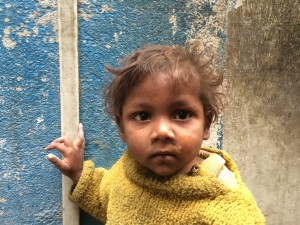
BSS will have Day Care Center
Buddha’s Smile School has started with the construction of a small day care center for children in the age of 0 to 3 years old. This new center will enable girl elementary school students to attend classes on a regular basis rather than intermittently stay home to care for their younger siblings. Rajan Kaur Saini, more...

More than ‘First Aid’
Sharmili, a young girl-child was hit by an auto Rickshaw a few days ago. Sharmili is from a beggar community in Sarnath near Buddha’s Smile School. “We regularly pick-up Sharmili and her elder brother Biru with the school bus,” Rajan Kaur Saini, founder of BSS said. “They enjoy coming to school and I was told more...

Raj & Shalu’s story
We found Raj and Shalu (Brother and Sister) at the railway station slum community in 2013. They simply caught Rajan Kaur Saini, founder of Buddha’s Smile School’s attention and were brought in and registered as students. Presently Raj is studying in Grade-1 and his sister Shalu in L.K.G. “It was very difficult to convince their more...

Shadhika Foundation’s Partner’s Conference
At Shadhika Foundation’s first-ever Partner’s Conference, for the women from the several Indian organizations which help girls attain an education, the Chennai, India conference attendees included Buddha’s Smile School founder/director, Rajan Kaur. The participating women shared the stories of their organizations, discussed their challenges and learned more about fundraising for their work. Rajan Kaur Saini, more...

The youngest student
We went to visit the Bengali refugee community in the summer of 2012 and found one of our young girl students, Tamanna taking care of her newly born sister. Their mother was badly sick. We asked Tamanna if she would return to Buddha’s Smile School but she replied she couldn’t because she needed to look more...
Get in touch!
We'd love to hear from you!